 |
 |
 |
 |
 |
 |
 |
 |
 |

 |
Zinc-Air Batteries Will Extend Mission Times Of NASA Micro Aerial Vehicles
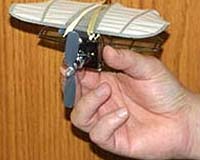
Arotech says its Electric Fuel subsidiary has successfully demonstrated its 4th generation zinc air technology in a NASA concept Micro Aerial Vehicle (MAV). The novel zinc-air batteries delivered 33% more energy than the state of the art high performance lithium batteries. The zinc-air battery prototype was developed for NASA under a contract received earlier this year, to achieve extended flight times for NASA's unmanned aerial vehicles. "The achievement of longer mission times is critical for our unmanned aerial vehicle programs," said Mike Logan, head of the Small Unmanned Aerial Vehicle Laboratory at NASA's Langley Research Center. "We tested this battery and it successfully powered the engine in our mini UAV for 58 minutes." Arotech's Electric Fuel has received numerous development contracts for its 4th generation zinc-air batteries for MAVs and other applications. The Company has already demonstrated on several occasions that its zinc air batteries extend the mission duration of small unmanned aircraft. "Our high-power, lightweight zinc-air fuel cell is proving to be a most beneficial solution for the rapidly growing micro unmanned vehicle market," said Robert S. Ehrlich, Arotech Chairman and CEO. "This recent demonstration, together with other recently announced contracts for our new zinc air cells, places us at the forefront of this technology and establishes our leadership in this field. Related Links Arotech SinoDaily Search SinoDaily Subscribe To SinoDaily Express  Predator Provides Close-Air Support To Embattled Marines In Iraq
 Southwest Asia (AFPN) Jun 24, 2005
An MQ-1 Predator unmanned aerial vehicle destroyed an anti-Iraqi forces mortar launch site near Al Qaim on June 18 while assisting Marines under enemy fire. |
|
|